EQUIPPING YOUTH WITH SKILLS FOR SUSTAINABLE EMPLOYMENT
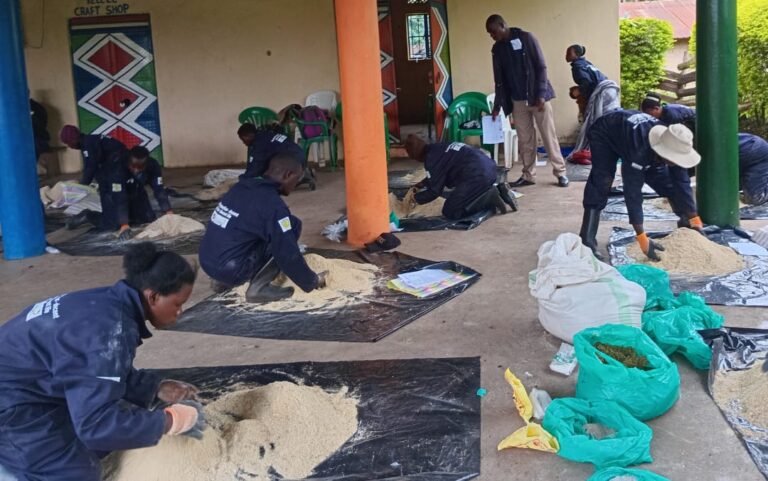
The YAWE Skilling Centre continues to transform the lives of young people by providing skills for employment rather than skills for certification alone. Through practical and demand-driven vocational training, the centre equips youth with the knowledge, hands-on skills, and confidence needed to secure employment, start businesses, and build sustainable livelihoods.
The centre offers training in a range of vocational and agricultural enterprises, including hairdressing, tailoring, baking, computer skills, piggery, poultry, and apiary. These courses are designed to respond to the interests and livelihood opportunities available within communities while preparing young people to become productive and self-reliant.
The overall mission of the programme is to increase access to sustainable employment opportunities for young people, particularly those who face barriers to formal employment and education. The programme places special emphasis on disadvantaged and marginalized groups, including youth with limited or no formal education, young women, and young people living with disabilities.
At YAWE, training does not end when a young person completes a course. The centre continues to support graduates through follow-up activities, linkages to businesses and employment opportunities, and career and business development sessions. These efforts help graduates apply the skills they have acquired and turn vocational education into meaningful sources of income.
Through enterprise development support, young people are encouraged to identify viable business opportunities, develop practical business ideas, and use their vocational skills to establish or strengthen income-generating activities. This approach helps bridge the gap between acquiring vocational skills and achieving sustainable self-employment.
The programme has strengthened the accessibility, quality, relevance, and equity of vocational skills training for marginalized youth and young women within the community. By creating opportunities for individuals who may have been excluded from conventional education or employment pathways, YAWE is contributing to a more inclusive approach to youth empowerment.
Irene Kemigisa – Turning Poultry Skills into an Income-Generating Enterprise
Irene Kemigisa, a youth trainee from Fort Portal, is one of the beneficiaries of the We Work Project and participated in the project’s first training cohort under the poultry enterprise. Her journey demonstrates how practical skills training, start-up support, passion, and commitment can create meaningful economic opportunities for young people.
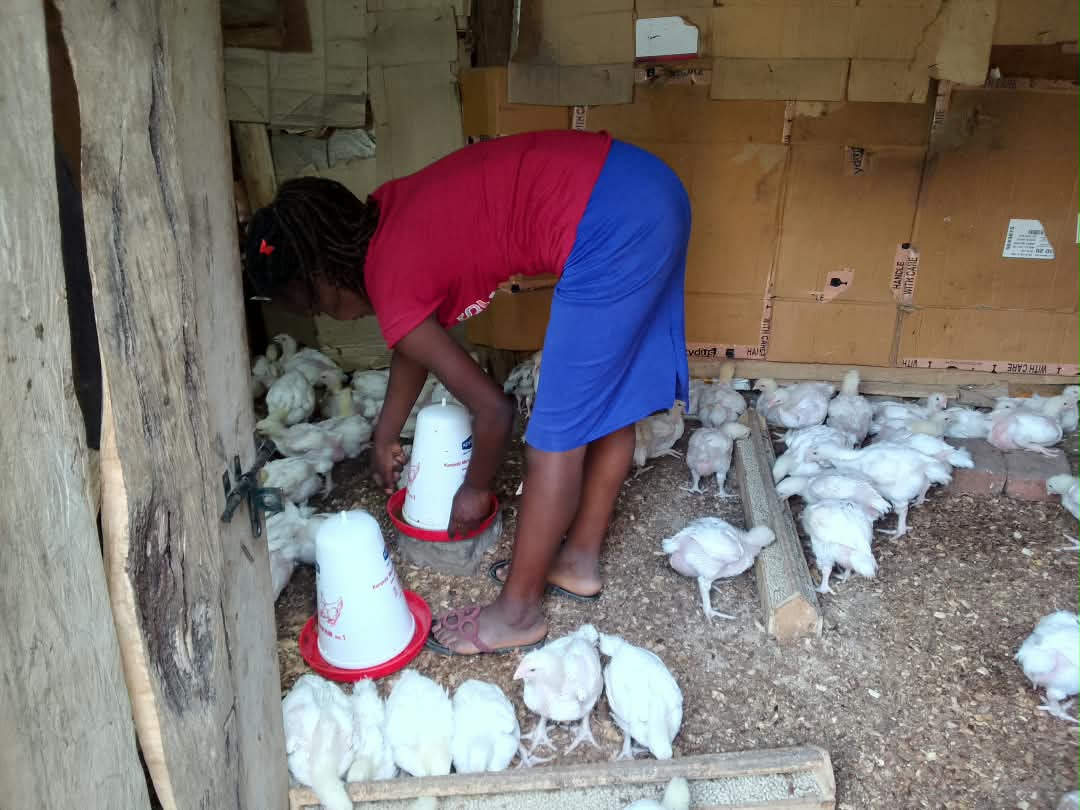
After successfully completing her training, Irene received 70 chicks as start-up support. For her, this was more than just receiving poultry it was a stepping stone towards economic independence and an opportunity to put the knowledge and skills she had acquired during training into practice.
With dedication and proper management, Irene successfully raised her first stock. After selling the birds, she used the profit she earned to reinvest in her enterprise. Within just three months, her poultry project had grown from the initial 70 chicks to 150 chicks.
Today, Irene is able to generate income from her poultry enterprise and use the proceeds to meet some of her basic needs. Her experience is a testimony that even a small start-up, when combined with commitment and good business practices, can grow into a sustainable source of livelihood.
During her training, one lesson particularly stood out to Irene: feed formulation and mixing. She quickly realized that the knowledge was not only important for managing her own poultry enterprise but was also a valuable and marketable skill that could create additional income opportunities.
Irene began putting the knowledge into practice and gradually became known in her community for her ability to formulate and mix poultry feeds. Today, youth and other community members approach her for guidance on feed formulation and mixing.
As Irene explains through her experience, a skill acquired during training can become much more than knowledge it can become a source for sustainable employment and income.